


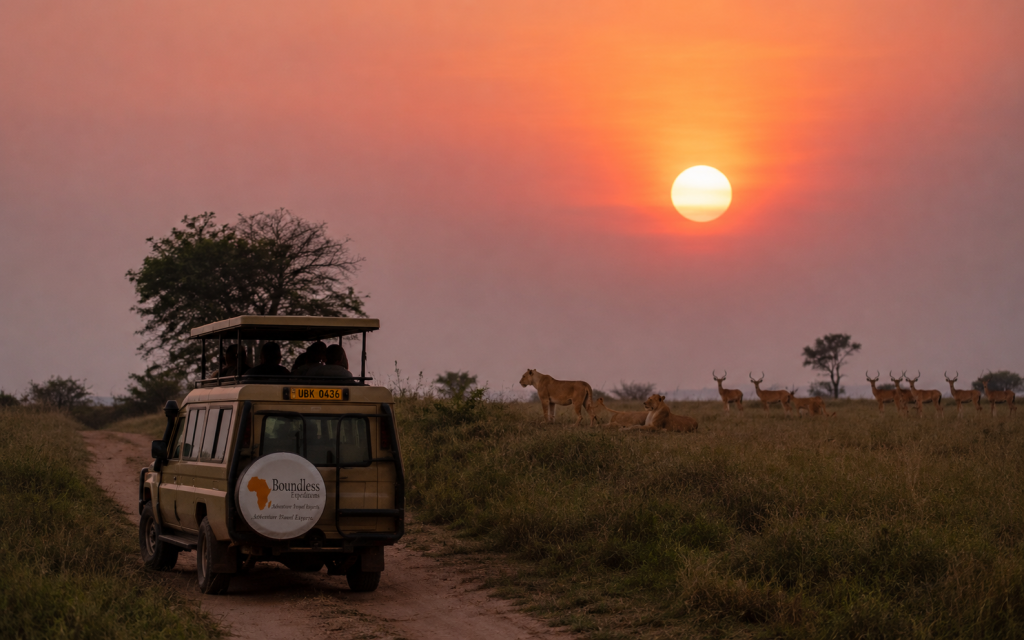
General Overview: Understanding What Tourism Means
According to The United Nations World Tourism Organisation (UNWTO), “Tourism comprises the activities of persons traveling to and staying in places outside their usual environment for not less than one day and not more than one consecutive year for leisure, business, and other purposes not related to the exercise of an activity remunerated from within the place visited.”
Hence, based on the above definition, many confuse visitors to tourists. A tourist is not supposed to earn any money from the places that they have visited but rather, they are to spend what they have come with. In simple terms, a tourist can be a type of visitor but, not every visitor is a tourist.
Therefore, identifying the purpose of travel is also an important parameter used to classify a tourist or visitor. For instance, if you come from Kampala and visit the Uganda Wildlife Education Center at Entebbe and then return to your residence, you are classified as a visitor (in more professional terms, a same day visitor). If you leave Kampala, travel to Fort Portal for a business trip and spend 5 days there, then you are a tourist. However, if you travel to Murchison Falls for a 2 days trip then come back to your residence, you are a tourist and the same time a visitor.
The Local Perception and Perspective of What Tourism Means
In Uganda, Tourism is one of those sectors that is not widely recognized and appreciated by the general public and also the government simply because it cannot be quantified. It is not easy to measure the economic impact of tourism and yet it crosscuts through the different sectors. For instance, the peasant farmers benefit directly by selling their produce to hoteliers who later sell to the tourists. In this instance, a farmer is only looking at the hotelier as the only customer forgetting that the hotelier has his/her other clients willing to spend big.
It is common perception here, if you tell someone that you are working in the tourism industry as a tour operator, that first thing that comes to their mind is; are you a tourist? And you wonder is it because they are not well informed of the operations of the business or just out of ignorance.
Some locals relate tourism to actually moving out of the country. Once you tell them you are a tour operator, then a question arises, are you able to process for me a visa to Europe or the Americas? And yet the business of tour operations in Uganda is basically evolving about inbound tour operations. That is dealing with clients coming in from outside countries who are willing to spend and tour the beautiful Pearl of Africa.
In truth, tourism is many things once you sit down and get to know it better. Let me breakdown some of the perspectives of tourism in Uganda;
- Tourism as a Source of Income and Employment
Communities that live close or inside the tourist attractions perceive tourism as a source of income and employment either through direct or indirect jobs. These attractions include but are not limited to the national parks, cultural sites, urban areas, places occupied by the lakes and rivers, the natural reserves, the forests. These places have people who have firsthand information on the value of the US dollar.
The very many opportunities for the local population living around the tourist destinations include; tour guides and translation services, hotel and lodge jobs, car hire and transport services, cultural performances, handicraft production and sales, agriculture; supplying hotels and restaurants, food vending and catering services. However, some people could argue that some of this has led to commercialization of some cultures, which is a topic for another day!
- Tourism as Community Development
This is one of the more tangible improvement that tourism brings to the villages. In places where tourist attraction exist, for instance in Bwindi, there is the Bwindi Community Hospital which serves the area and is one of the best hospitals in terms of services in Uganda, the roads leading to tourist areas are worked upon, schools have been built through different projects, in places where water is an issue, borehole projects, and clean water systems have been put in place, projects to support women for instance the Boomu Women’s Group, The Bwindi Women Bikes Project, and loads of youth livelihood projects have been set up.
- Tourism as Conservation
Although human-wildlife conflicts occur in areas around the protected areas like the national parks, local people appreciate the value of protecting the wildlife, this is evident in the revenue sharing schemes by Uganda Wildlife Authority that has increased awareness of what the locals have in terms of the resource and the need for them to protect the natural habitat of the animals. In places like Bwindi, Kibale, Murchison Falls, Queen Elizabeth, Lake Mburo, the local population now understands that protecting the parks directly contributes to employment, infrastructure development, education support, and community health projects.
- Tourism as Cultural Pride
Uganda has more than 50 indigenous communities; which present unique languages, traditions, cuisine, dances, craftsmanship, and ceremonies for instance the Bagishu circumcision initiation ceremony that has been trending as it is done in even years. Traditional dance performances, storytelling, craft making, royal heritage sites, and community museums have become valuable tourism products that celebrate Uganda’s diverse cultural heritage. Many Ugandans now see tourism as the most important mechanism of showcasing and preserving their cultural identity.
- Tourism as Hospitality
Every Ugandan who is involved in the tourism business will tell you that tourism is all about creating meaningful cultural interactions and extending genuine hospitality. As Ugandans, we are regarded as the most hospitable country in the world, and this is not by chance but by what we exhibit, that is the warmth and friendliness of the people. If you met 100 people traveling from different parts of the world, almost all of them will tell you that they felt so warmly welcomed to Uganda than any other place they have visited.
- Tourism as International Recognition
Uganda and its uniqueness can only be positioned well through tourism. Tourism is the number one avenue of promoting the country’s image. With the invention of the cameras, most people who visit the outstanding attractions like the mountain gorillas, chimpanzees, the tree climbing lions, the source of the Nile often post on media platforms online. As mentioned before, most international tourists appreciate Uganda’s hospitality, natural beauty, beautiful landscapes, cultural diversity, less trampled wildlife, and ever smiling people. The only country where you visit once and you are guaranteed to visit the next time!
Despite the underlying benefits that tourism yields, some communities feel that they are excluded from these benefits and tourism possess challenges which include; seasonal fluctuations in tourist arrivals, human – wildlife conflicts where some times animals invade on the local gardens, land use restrictions around protected areas, human displacements like how the Batwa were displaced from the Bwindi Impenetrable Forest National Park, limited employment opportunities for the local residents, rising commodity prices in popular tourist areas.
Based on the above perspective and understanding, it is therefore imperative to say that tourism is not only the movement of visitors; however, it is a vehicle for economic transformation, cultural preservation, environmental conservation, and community empowerment. Tourism remains the only way to improve local people livelihoods, and at the same time protecting the country’s natural and cultural resources. There is no way of talking about sustainable development without including tourism in the same sentence.
Introduction to Tour Operations in Uganda
A tour operator is a company or individual that designs, organizes, and packages travel experiences by combining services such as transport, accommodation, tours, and activities into a single product sold to tourists or through intermediaries. Unlike a travel agent, who mainly acts as a retailer selling travel services (such as tickets, hotel bookings, or packaged tours) on behalf of suppliers or tour operators, a tour operator actually creates and manages the tour product itself. In other words, tour operators are producers of tourism experiences, while travel agents are distributors who connect customers to those products. This distinction is important in understanding how tourism services are structured and delivered.
In Uganda, the tour operations industry has evolved significantly from a small, informal sector in the early post-independence years to a more organized and competitive industry driven by both local entrepreneurs and international demand. Initially, tourism services were largely government-led, but liberalization of the economy in the 1990s encouraged private sector participation, leading to the growth of many local tour companies specializing in wildlife safaris, cultural tours, and adventure experiences. Today, Tour Operators in Uganda play a central role in the tourism value chain by linking tourists to key services such as national parks, accommodation providers, transport services, and local communities. They are essential in packaging Uganda’s tourism products, ensuring quality service delivery, and contributing to marketing the country as a competitive global destination while supporting income generation and employment across the sector.
The Structure of Uganda’s Tourism Industry
Uganda’s tourism sector is one of the country’s leading contributors to economic growth, employment, and foreign exchange earnings, driven by its rich biodiversity, cultural heritage, and diverse attractions, including wildlife, primates, adventure, and cultural tourism. The sector comprises a wide range of stakeholders, including government ministries and agencies, protected area managers, tour operators, travel agents, accommodation providers, Uganda Car Rental Services, local communities, conservation organizations, investors, and development partners. Public institutions are responsible for policy formulation, regulation, destination marketing, infrastructure development, and conservation, while private sector players develop, market, and deliver tourism products and services. These stakeholders are interconnected through Uganda’s tourism supply chain, which links tourism attractions with service providers such as transport operators some of whom offer; Gorilla Safaris, Birding Safaris, Mountain Hiking, Adventure activities, Self Drive in Uganda Rentals, hotels, restaurants, guides, artisans, and local communities to create seamless visitor experiences while generating economic and social benefits throughout the country.
Types of Tour Operators
Tour operators can be classified based on the markets they serve and the type of services they offer. Inbound tour operators focus on handling international tourists coming into a destination country, such as Uganda, organizing their entire travel experience from arrival to departure. Outbound tour operators arrange travel services for residents of a country who are traveling to foreign destinations. Domestic tour operators, on the other hand, specialize in serving local tourists traveling within their own country, promoting internal tourism and local attractions. In addition, Destination Management Companies (DMCs) operate at a more specialized level by providing in-depth local expertise and coordinating ground services such as accommodation, transport, activities, and events on behalf of international partners or tour operators.
Tour operators also vary according to specialization in niche tourism markets. Specialized tour operators focus on specific types of tourism products such as birding safaris, gorilla trekking, cultural experiences, adventure tourism, there is also harping expeditions luxury travel, Meetings, Incentives, Conferences and Exhibitions (MICE), educational tours, and volunteer tourism. This specialization allows them to tailor services to particular interests and provide expert knowledge and high-quality experiences in their chosen niche. Together, these different categories of tour operators ensure that diverse tourist needs are met while contributing to the development and diversification of the tourism industry.
In Uganda though, it is not easy to get a tour operator with a specific specialty, most of them are always juggling between specializations.
The Tourism Products in Uganda



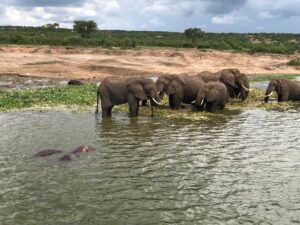
Uganda’s tourism products are diverse and largely centered on its rich natural heritage. Wildlife tourism is one of the country’s flagship attractions, offering visitors opportunities to explore national parks such as Queen Elizabeth, Murchison Falls, and Kidepo Valley, which are home to elephants, lions, giraffes, antelopes, and other iconic species. Closely linked to this is gorilla and chimpanzee tracking, one of Uganda’s most unique and high-value tourism experiences, especially in Bwindi Impenetrable Forest National Park and Mgahinga National Parks for mountain gorillas, and Kibale Forest National Park for chimpanzees. These primate experiences position Uganda as a leading destination for primate tourism in Africa and indeed the whole world.
Another key category is birdwatching tourism, as Uganda is home to over 1,000 bird species, making it one of the best birding destinations in the world. Alongside this is cultural tourism, which showcases Uganda’s over 50 ethnic groups, their traditions, music, dance, crafts, and heritage sites. Adventure tourism also plays a major role, with activities such as white-water rafting on the Nile, mountain hiking, bungee jumping, and kayaking attracting thrill-seekers. These products are complemented by community-based tourism, where visitors engage directly with local communities, experiencing daily life, crafts, and cultural performances while supporting local livelihoods.
In addition, Uganda offers religious tourism, with important pilgrimage sites such as Namugongo attracting millions of visitors annually to celebrate the Uganda Martyrs’ Day on 3rd June each year. Conference and business tourism (MICE) is growing, especially in Kampala and Entebbe, supported by hotels, conference centers, and improving infrastructure. Agro-tourism allows visitors to explore Uganda’s agricultural practices, including coffee, tea, and banana plantations, while ecotourism emphasizes sustainable travel that conserves the environment and benefits local communities. Together, these tourism products position Uganda as a highly diverse destination catering to wildlife lovers, cultural explorers, adventure seekers, and business travelers alike.
Challenges Facing Tour Operators in Uganda
The business of tour operations in Uganda faces several infrastructure limitations that affect efficiency and customer experience. Poor road networks in some tourism destinations, limited air connectivity to remote parks, and inadequate utilities such as electricity and internet in rural areas can increase operational costs and reduce accessibility. These challenges make it difficult for tour operators to provide smooth, reliable, and comfortable travel experiences, especially in far-reaching destinations like Kidepo Valley or remote parts of Bwindi.
Seasonality is another major challenge, as tourism demand in Uganda fluctuates depending on peak and low travel periods. High seasons (June to September, and December to February), often linked to favorable weather and holiday periods, bring increased business, while low seasons (March to May, and October to November), result in reduced bookings and unstable income for operators. In addition, global economic fluctuations such as recessions, inflation, and currency exchange instability directly affect international travel demand, as tourism is considered a discretionary expense that many travelers cut back on during financial uncertainty.
The industry is also affected by competition, both locally and internationally. Within Uganda, many tour operators compete for the same market segments, leading to price undercutting and pressure on profit margins. At the same time, Uganda competes with other African destinations such as Kenya, Tanzania, and Rwanda for wildlife and safari tourists. Climate change is increasingly influencing tourism patterns by altering wildlife behavior, affecting ecosystems, and causing unpredictable weather conditions that can disrupt travel plans and outdoor activities.
Other significant challenges include wildlife conservation issues, such as human-wildlife conflict, poaching threats, and pressure on protected areas due to increasing tourism activities. Political perceptions also play a role, as international travelers may be influenced by global media coverage of security or governance issues, which can affect destination image. Digital disruption is reshaping the industry, as online booking platforms, AI-driven travel planning, and global OTAs (Online Travel Agents) increase competition and require tour operators to continuously adapt to new technologies in order to remain visible and competitive in the market.
During outbreaks such as COVID-19, Ebola, and Marburg virus disease, the tourism sector is often among the hardest hit. These diseases lead to travel restrictions, border closures, suspension of flights, and cancellation of tours, which immediately disrupt bookings and cash flow for tour operators. For example, during COVID-19, Uganda’s tourism industry nearly came to a standstill as international arrivals dropped sharply due to global lockdowns and health concerns. Even after restrictions are lifted, recovery is usually slow because traveler confidence takes time to rebuild.
Beyond economic disruption, disease outbreaks also affect destination image and tourist perceptions of safety. Even localized cases of Ebola or Marburg in specific regions can create widespread fear among potential visitors, despite limited actual risk to most tourism areas. This can and has led to cancellations in national parks and reduced demand for Uganda as a destination. Tour operators are therefore forced to invest more in health protocols, communication, and risk management, including partnerships with health authorities and clear safety messaging.
In the long term, these health crises highlight the need for resilient and adaptive tourism systems. Operators must integrate emergency preparedness plans, flexible booking policies, and strong hygiene standards into their operations. Collaboration with institutions like the Ministry of Health and tourism authorities is essential to ensure accurate information reaches markets. Overall, diseases such as COVID-19, Ebola, and Marburg demonstrate how vulnerable tourism is to global and regional health shocks, making health security a critical component of modern tour operations.
What has the government done to help Tour Operators in Uganda?
The Government of Uganda has supported tour operators mainly through policy development, regulation, and destination marketing. Through the Ministry of Tourism, Wildlife and Antiquities and agencies such as the Uganda Tourism Board, Uganda Wildlife Authority, and Uganda Wildlife Research and Training Institute, the government has created a structured framework that guides tour operations, licensing, and standards of service. These institutions help regulate the industry, protect wildlife resources, and promote Uganda as a competitive tourism destination under the “Explore Uganda” brand, which increases visibility for tour operators in international markets.
The government has also invested in infrastructure development and conservation management, which directly benefits tour operators. Improvements in road networks to major national parks, expansion of Entebbe International Airport, and upgrades in communication and security systems have enhanced accessibility to tourism sites. Revenue-sharing programs between Uganda Wildlife Authority and communities around protected areas also help reduce human-wildlife conflict and promote community participation in tourism, creating a more stable operating environment for tour companies. Conservation efforts such as anti-poaching initiatives and park management also ensure that Uganda’s key tourism attractions remain attractive and sustainable.
The government has also provided support through capacity building, partnerships, and recovery initiatives, especially during crises. Training programs for tour operators, guides, and community tourism enterprises have improved service quality and professionalism in the sector. During disruptions such as the COVID-19 pandemic, the government introduced recovery measures including tax reliefs, tourism stimulus programs, and domestic tourism campaigns to help businesses survive. Participation in international tourism expos and partnerships with development agencies has further helped promote Uganda’s tourism products globally, strengthening market access for tour operators and encouraging sector growth.
The Bank of Uganda COVID-19 relief fund was part of a broader government-led financial response to support businesses affected by the pandemic, including those in the tourism and hospitality sector. While the Bank of Uganda itself is not a commercial lender, it worked and continues to work through regulated financial institutions and government recovery programs to ensure liquidity and credit support reaches struggling enterprises affected during and after COVID-19 disruptions. These interventions were designed to stabilize the economy, protect jobs, and help businesses survive the sharp decline in tourism demand caused by lockdowns, travel bans, and reduced international arrivals.
One of the key mechanisms linked to the central bank’s response was the Small Business Recovery Fund (SBRF) and related credit facilities, which were implemented through participating financial institutions supervised by the Bank of Uganda. These funds provide low-interest loans and financial relief to micro, small, and medium enterprises (MSMEs), including tour operators, hotels, and transport providers. The aim is to improve access to affordable credit, ease cash flow pressures, and support business continuity for firms that had been heavily affected by COVID-19 restrictions.
How does the Future of the Business of Tour Operations Look like in Uganda?
The future of tour operations in Uganda is expected to grow steadily, driven by increasing global interest in wildlife, adventure, and cultural tourism, as well as the rise of domestic and regional travel. Uganda’s unique attractions such as gorilla trekking, bird watching, national parks, and cultural heritage position it strongly in Africa’s tourism market. However, success in the future will depend on innovation, digital transformation, and sustainable tourism practices. Tour operators will need to adapt to changing traveler preferences, embrace technology such as online booking systems and, and focus on creating personalized and high-value travel experiences while ensuring environmental and community sustainability.
For entrepreneurs, success in tour operations requires strong business planning, niche specialization, and excellent customer service. New operators are encouraged to focus on specific markets such as eco-tourism, luxury safaris, or cultural experiences to remain competitive. From a policy perspective, continued government support is needed in improving infrastructure, simplifying licensing processes, strengthening marketing of Uganda as a destination, and ensuring fair benefit sharing for local communities. Key skills required for success in the industry include digital marketing, financial management, communication, foreign language proficiency, tour planning, customer care, and risk management, all of which are essential for building resilient and competitive tour businesses in Uganda’s evolving tourism sector.