Uganda continues to stand out as one of Africa’s most remarkable biodiversity destinations—and the newly released State of Wildlife Resources in Uganda Report 2026 confirms exactly why.
Launched by the Uganda Wildlife Authority (UWA), this landmark report offers the most comprehensive and up-to-date insight into Uganda’s wildlife, ecosystems, and conservation progress. But beyond the data, it tells a deeper story—one that matters not only to conservationists, but also to travelers exploring the Pearl of Africa.
A More Complete Picture of Uganda’s Biodiversity
Unlike earlier reports that focused mainly on large mammals, the 2026 edition takes a broader approach. It brings together data on:
- Flora and plant species
- Fungi and invertebrates
- Amphibians and reptiles
- Birds and bats
- Large and small mammals
This wider scope provides a clearer understanding of the overall health of Uganda’s ecosystems—and highlights just how interconnected its natural heritage truly is.
Uganda is home to more than 18,000 recorded species, including over 4,800 native plant species and more than 1,000 bird species. It also protects globally significant wildlife such as mountain gorillas, chimpanzees, elephants, and giraffes—all essential for maintaining ecological balance and supporting tourism.
Positive Conservation Gains Across Key Species
One of the most encouraging findings from the report is the steady recovery of several wildlife populations across Uganda’s protected areas.
Recent surveys show notable increases in:
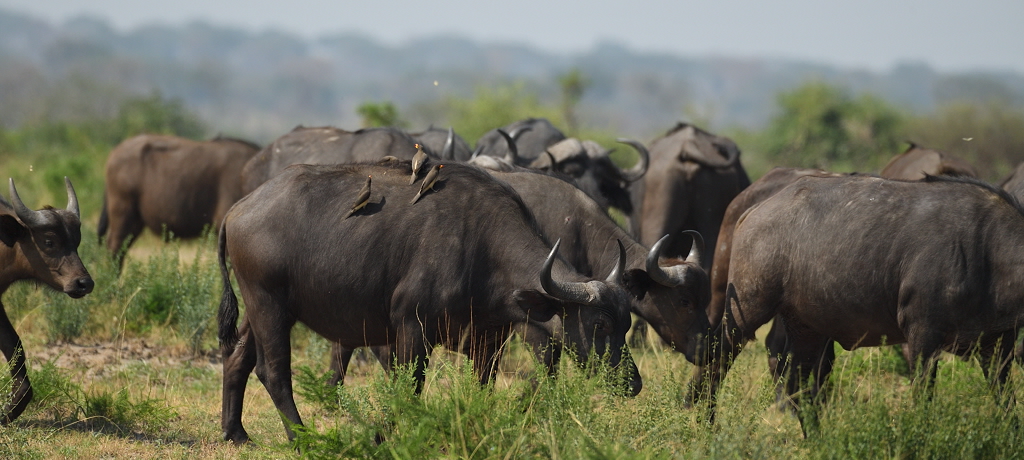
- Buffalo populations
- Hippopotamus numbers
- Uganda kob
- Waterbucks, zebras, and topis
- Common elands and Nubian giraffes
Uganda’s conservation success story is especially evident in the recovery of the Southern White Rhinoceros, whose population has grown significantly under sustained protection and breeding programs.
At the same time, mountain gorilla numbers remain stable, while chimpanzee populations are increasing—reinforcing Uganda’s position as a leading destination for primate tracking experiences.
For travelers, this means richer safari experiences, improved wildlife sightings, and thriving ecosystems across the country’s national parks.
The Growing Importance of Plant Conservation
While wildlife often takes the spotlight, the report places strong emphasis on Uganda’s plant life—an essential but often overlooked component of biodiversity.
It highlights threatened indigenous plant species, including cycads and important crop wild relatives such as coffee, millet, sorghum, and eggplants. These plants are not only vital for ecosystems but also play a critical role in food security, climate resilience, and future agriculture.
However, increasing pressure from land conversion, agriculture, invasive species, and climate change is putting many of these plant species at risk.
Challenges That Still Need Attention
Despite the positive progress, the report makes it clear that conservation work is far from over.
Some key species are facing renewed pressure:
Elephant populations have slightly declined in monitored areas
Lion numbers have also decreased
In addition, broader challenges continue to affect Uganda’s wildlife, including:
- Expanding human settlements
- Habitat fragmentation
- Agricultural encroachment
- Infrastructure development
- Climate variability
- Human-wildlife conflict
These pressures highlight the need for continued investment in conservation, stronger habitat protection, and improved community engagement.
What This Means for Travelers
For visitors planning a safari or nature-based experience in Uganda, this report is both reassuring and insightful.
It confirms that:
Uganda’s national parks remain rich in wildlife
Conservation efforts are delivering real results
Biodiversity continues to thrive in many regions
At the same time, it reminds travelers of the importance of responsible tourism—choosing eco-conscious operators, respecting wildlife, and supporting conservation initiatives.
Every safari, gorilla trek, or nature walk contributes directly or indirectly to protecting Uganda’s natural heritage.
A Call to Protect the Pearl of Africa
According to the Uganda Wildlife Authority, the State of Wildlife Resources in Uganda Report 2026 serves as a national call to action.
It underscores the importance of:
Long-term conservation funding
Scientific research and monitoring
Habitat restoration
Strategic partnerships
Uganda’s wildlife is not just a tourism asset—it is a cornerstone of the country’s environment, economy, and future sustainability.
Plan Your Uganda Wildlife Experience
If this report inspires you to explore Uganda, there has never been a better time to visit. From gorilla trekking in Bwindi to game drives in Queen Elizabeth National Park, Uganda offers unmatched diversity and authentic safari experiences.
Ready to experience Uganda’s wildlife firsthand?
Start planning your safari today and be part of the story that protects the Pearl of Africa for generations to come.